Spotlight




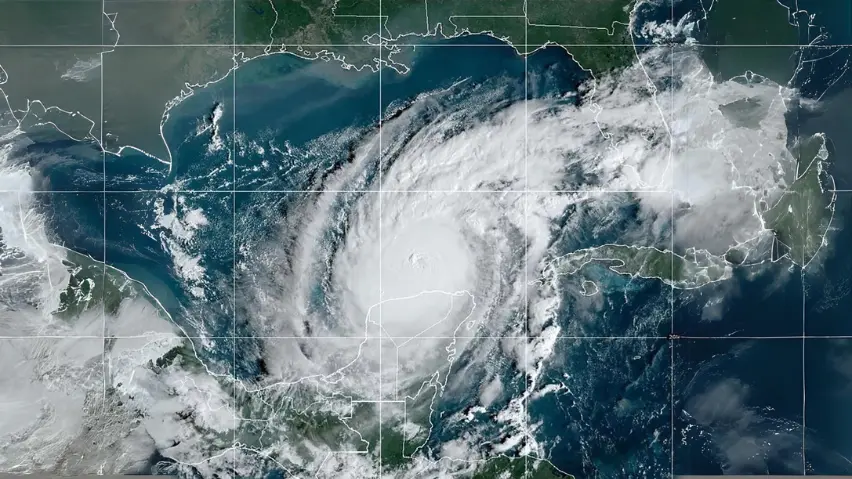
Hurricane Milton is currently dominating headlines as one of the most dangerous storms of 2024. Initially classified as a Category 5 hurricane, Milton has already demonstrated its devastating power, but that’s not the worst of it. Even though it’s expected to weaken slightly before it makes landfall, Milton is forecast to double in size.
This means its impacts will stretch far and wide, potentially affecting areas that would typically be out of reach of the storm’s core. The vastness of Milton makes it particularly dangerous, with its tropical storm-force winds expanding from 80 miles to a whopping 140 miles from its center in just 24 hours.
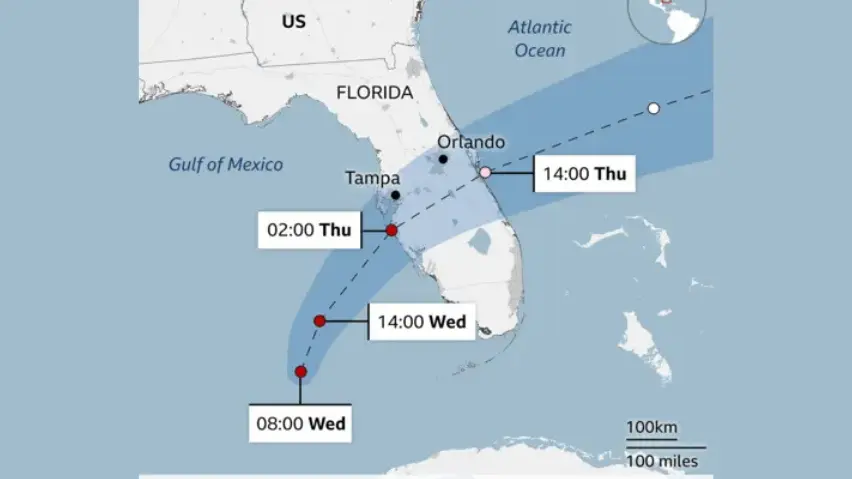
Milton’s current strength is nothing to take lightly. Meteorologists expect it to make landfall on Florida’s Central Gulf Coast late Wednesday as a major hurricane. Even though it might no longer be Category 5 by then, its sheer size means that its effects could rival some of the most destructive hurricanes in history. Tropical-storm-force winds are likely to cover the entire width of Florida, making this storm a multi-front threat.
ADVERTISEMENT
The eye of the storm is projected to make landfall near the Tampa area, and residents are being warned to brace for record storm surge. This storm surge could submerge coastal areas and pose significant risks to both lives and properties. Communities within this zone should not wait until the last minute to take action—early preparation will save lives.
Comparisons are being drawn between Milton and infamous storms like Katrina and Irma. However, Milton stands apart due to its rapid expansion in size, making it a unique threat. The challenge with a storm of this magnitude is that its impact will be felt over a broader area, even as it weakens.
Hurricane Milton isn’t just a wind and rain event—it carries with it a variety of dangers that could spell disaster for those unprepared.
One of the greatest threats from Milton is its intense winds, which could reach speeds capable of ripping apart buildings, uprooting trees, and sending debris flying. Along with these winds comes a storm surge, a deadly rise in sea levels that could flood coastal communities, cutting off escape routes and causing irreparable damage.
Flooding will be another major issue with Milton. Even if you’re not in a coastal area, the amount of rainfall that Milton is expected to bring could lead to flash floods and prolonged water damage in inland regions. These floods can contaminate water supplies, damage homes, and create dangerous conditions for those trapped by rising water.
As with any hurricane, flying debris is a serious hazard. Hurricane Helene left behind mountains of rubble, and officials are now concerned that Milton’s winds will turn these materials into dangerous projectiles. Sheets of metal, cinderblocks, and large appliances could become life-threatening hazards. Fallen trees also pose a risk, especially in residential areas where they can block roads and damage homes.
Preparation is key when dealing with any hurricane, especially one as powerful and widespread as Milton. Here are a few steps you can take to stay safe.
The first thing to consider is evacuation. If local authorities issue an evacuation order, don’t hesitate to follow it. Know your evacuation routes and make sure every member of your family knows where to go. Don’t forget to check on your neighbors, especially the elderly or disabled, who might need extra assistance.
ADVERTISEMENT
In case you get separated from your family, designate a safe meeting point. It could be a location outside the evacuation zone, such as a relative’s house or a public shelter. Discuss this plan with everyone in your household ahead of time.
An emergency kit is essential. Include non-perishable foods, bottled water, medications, a first aid kit, flashlights, and extra batteries. Make sure to have enough supplies for at least three days, as it could take time for rescue efforts to reach your area.
Before the storm arrives, secure any loose items in your yard that could become projectiles in high winds. Board up windows and secure doors, especially garage doors, which are particularly vulnerable in hurricanes. Move valuables to higher ground if you’re in a flood-prone area.
It’s highly likely that power and communication lines will be disrupted during the storm. Prepare for this by charging all your devices ahead of time, but don’t rely on electricity. Have a backup plan, like a battery-powered radio, to stay updated on weather conditions and official advisories.
Once Milton hits, your priority should be staying safe and keeping your family out of harm’s way.
Stay tuned to your local news or radio station for real-time updates. If evacuation becomes necessary, grab your emergency kit and leave immediately. Don’t try to ride out the storm if you’re in a vulnerable area.
If evacuation isn’t possible, move to the highest point in your home, but avoid enclosed spaces like attics, which could trap you if floodwaters rise. Secure all doors and windows, and don’t venture outside unless absolutely necessary.
After the storm has passed, the dangers are far from over. Returning home safely and managing the aftermath of the hurricane is just as important.
Floodwaters are often contaminated, so avoid drinking or cooking with any water that hasn’t been properly treated. Boil any water you collect, and throw out food that may have been in contact with floodwater.
Cleaning up after a hurricane is a dangerous task. Wear protective clothing and be cautious when handling debris. If your home has been severely damaged, it’s best to leave the clean-up to professionals.
Natural disasters like hurricanes can take a toll on your mental and emotional well-being. It’s essential to focus not just on physical safety, but on emotional recovery as well.
Children often have difficulty processing the trauma of a natural disaster. Take the time to talk to them about what happened, listen to their concerns, and reassure them that the situation will improve.
Returning to a routine, even a simple one, can help children and adults alike regain a sense of normalcy. Don’t hesitate to seek emotional support if you’re feeling overwhelmed—whether that’s through a professional counselor or simply talking with friends and family.
Hurricane Milton is a formidable force, but with the right preparation, you can stay safe and protect your loved ones. Remember, the most important thing is to listen to local authorities, have a plan, and never underestimate the power of nature. Stay safe, stay informed, and look after one another.
ADVERTISEMENT