Spotlight






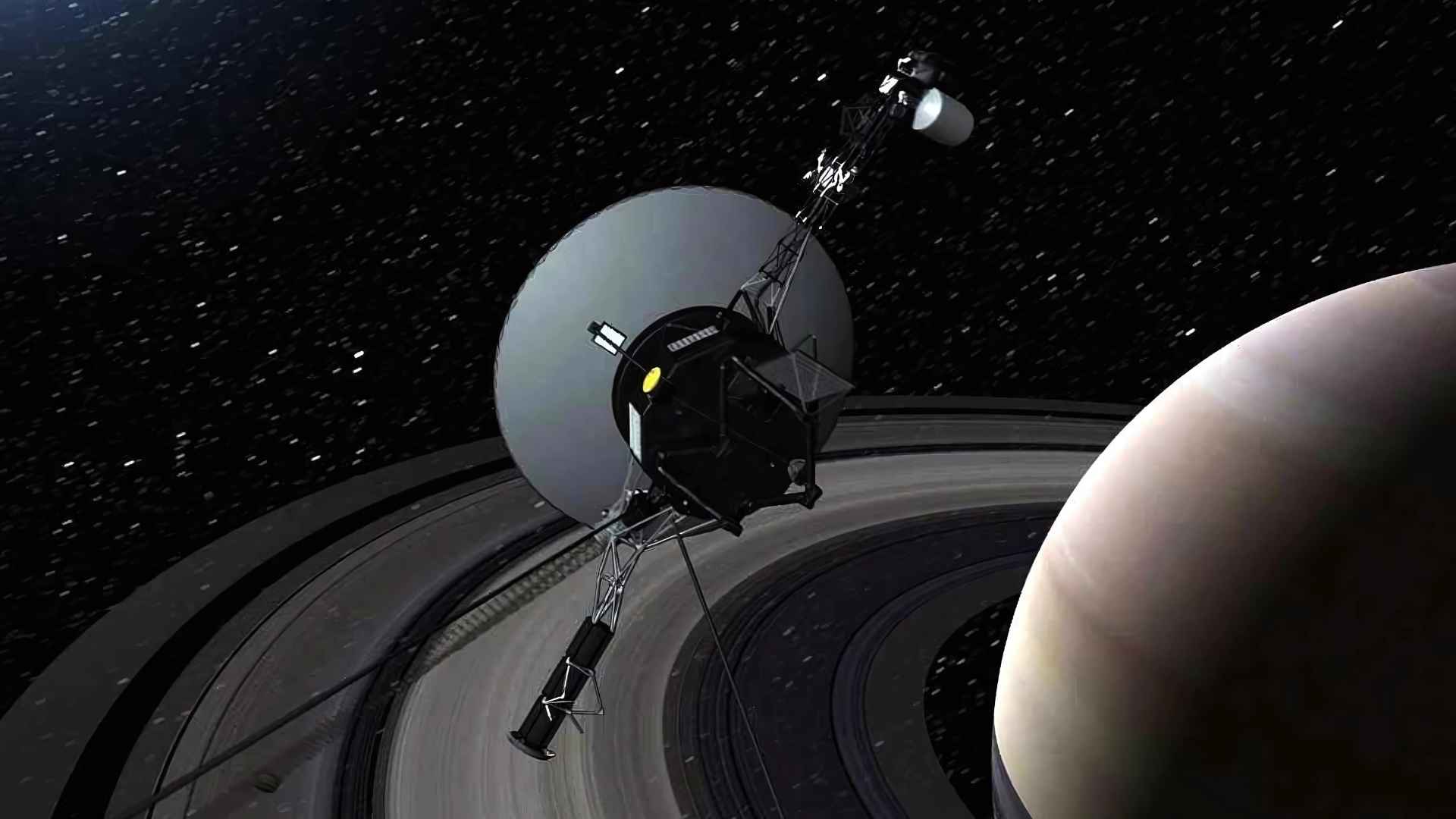
In a remarkable display of ingenuity and perseverance, NASA engineers have successfully reactivated Voyager 1’s long-silent thrusters, partially restoring the 46-year-old spacecraft that had drifted beyond 15 billion miles from Earth. The high-risk operation marks a major milestone in deep space engineering, showcasing NASA’s commitment to preserving its most distant and iconic mission. Read the full story on Live Science.
Since November 2023, Voyager 1 had been transmitting indecipherable data due to a fault in its flight data system. In response, the Jet Propulsion Laboratory (JPL) team initiated a complex command sequence to bypass the malfunctioning chip. By rerouting the commands to a different section of the spacecraft’s memory, engineers managed to restore communication—despite a staggering 22-hour signal delay each way.
ADVERTISEMENT
On April 20, NASA confirmed the successful recovery of Voyager 1’s engineering data stream. Just weeks later, in early May, the team sent a new command to reactivate the spacecraft’s thrusters—and received a response. This breakthrough not only enables future orientation adjustments but also significantly extends the mission’s operational lifespan.
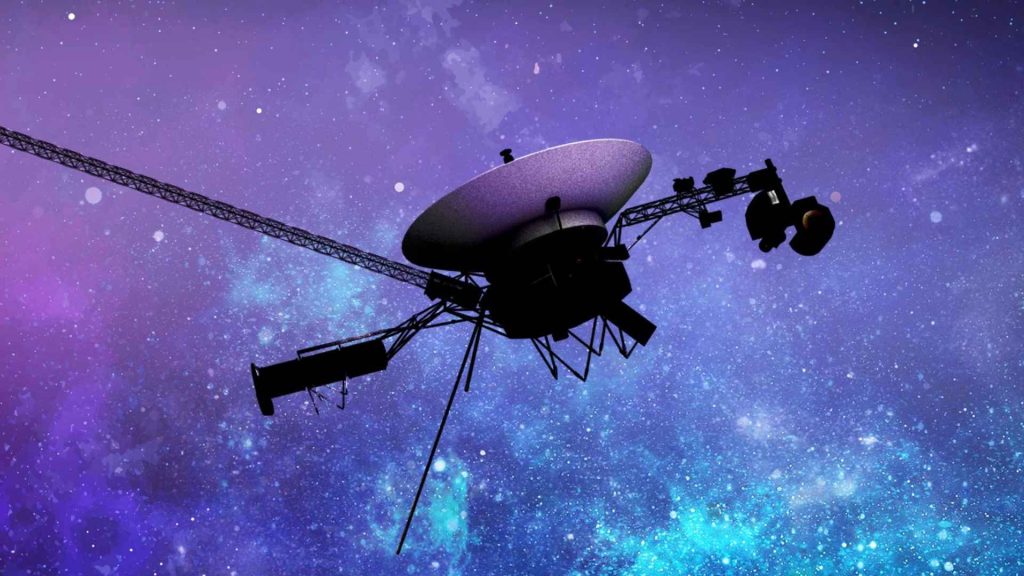
Originally launched in 1977, Voyager 1 was never intended to function this long. Yet nearly five decades later, it continues to serve as humanity’s furthest-reaching scientific envoy. NASA’s achievement underscores the value of legacy missions and the power of creative problem-solving in extreme conditions. With the data flow restored, Voyager 1 is once again ready to deliver insights from interstellar space.
ADVERTISEMENT