Spotlight
SPOTLIGHT
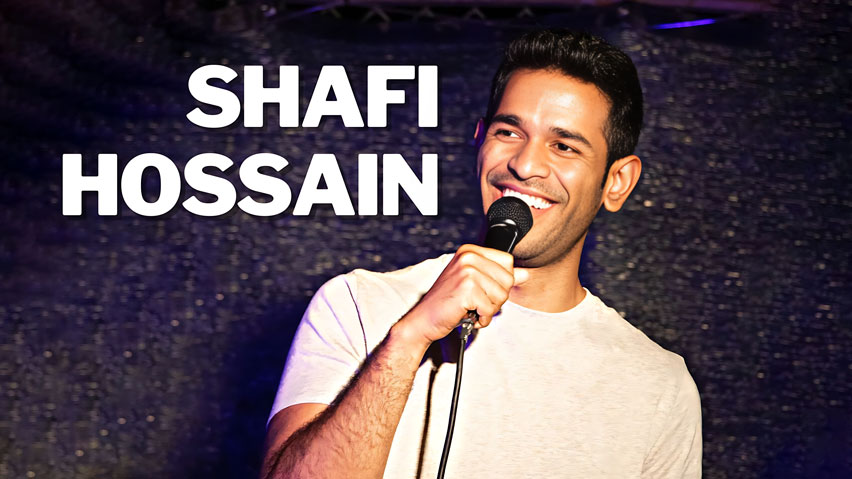
The Hilarious Rise of Shafi Hossain: A Bangladeshi Stand-Up Comedian in New York
04/01/2023

SPOTLIGHT
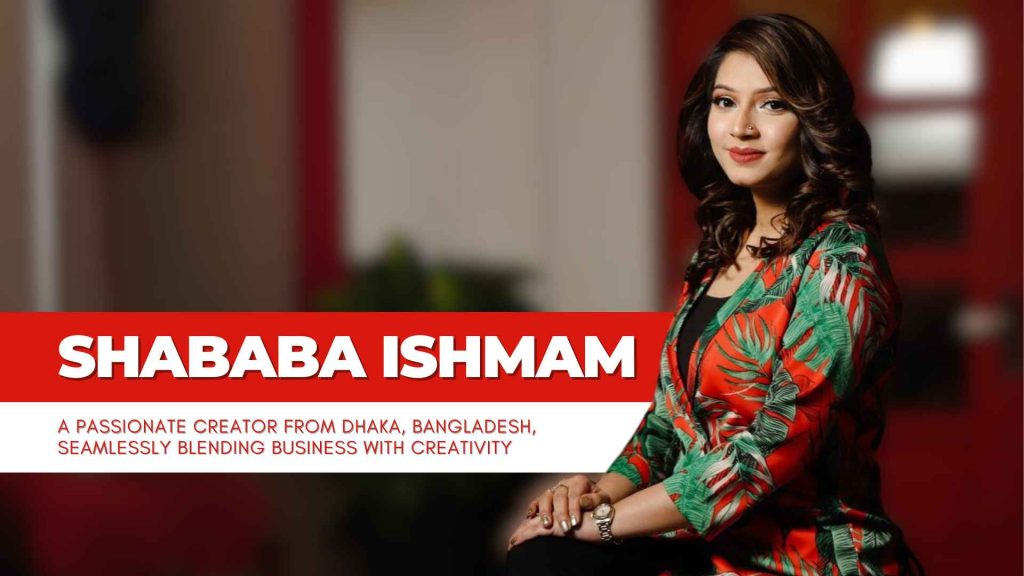
Shababa Ishmam: The Bangladeshi Entrepreneur Behind The Red Window and Bheja Fry
03/22/2025


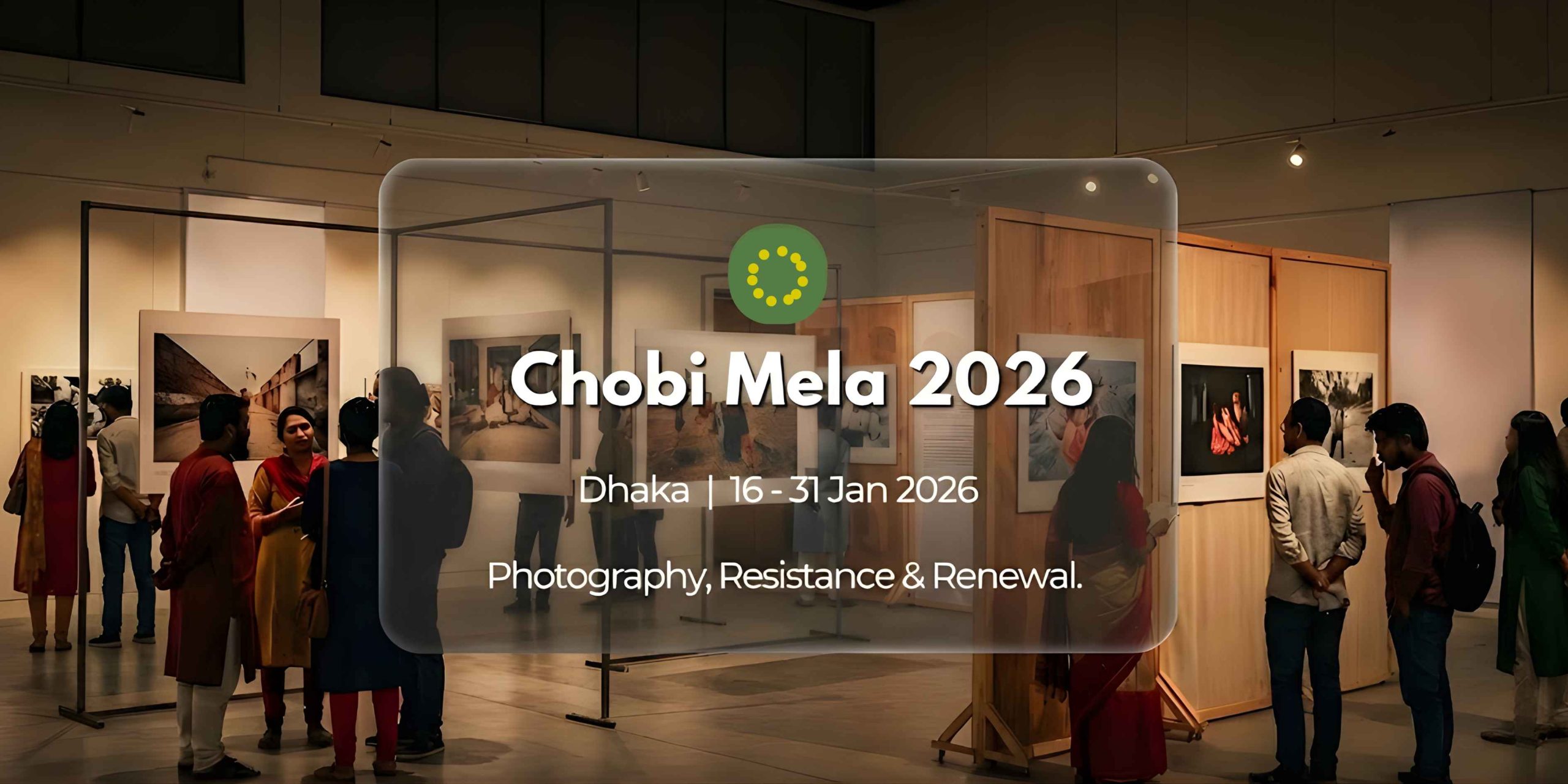
More than six months after Bangladesh witnessed a historic people’s revolt, Dhaka has transformed into a city of deep reflection, resistance, and renewed cultural energy. The 11th edition of the Chobi Mela International Festival of Photography is currently ongoing, running from 16 to 31 January 2026.
This year, the festival is not merely an exhibition; it is a reclamation of space, turning public institutions and galleries into vibrant arenas of dialogue through the medium of photography.
As the most significant photography festival in Asia, Chobi Mela 2026 arrives at a crucial juncture in the nation’s history. It invites locals and international visitors alike to witness how art can document history while simultaneously shaping the future.
| Festival Detail | Information |
| 📅 Dates | 16 – 31 January 2026 (Ongoing) |
| 📍 City | Dhaka, Bangladesh |
| 🖼️ Exhibitions | 9 |
| 🏛️ Venues | 5 across Dhaka |
| 🌍 Artists | Rena Effendi, Alessandra Sanguinetti, Arko Datto etc |
| 🛠️ 6 Workshops | If on a Winter’s Night a Traveller, Hidden Frames, Storytelling with Photography,etc. |
| 🎤 Public Programmes | 17–20 January 2026 |
| 🎬 Closing | 31 January 2026 |
ADVERTISEMENT
This year’s theme, “Re,” is deceptively simple yet carries layered, heavy meaning. In the wake of political upheaval and social transformation, the prefix serves as a linguistic anchor for the collective state of mind in Dhaka. It signals rebuilding after disruption, regeneration after loss, and re-imagining futures shaped by resilience.
Unlike traditional art fairs that prioritize spectacle and commerce, Chobi Mela 2026 offers clarity. The festival positions photography as evidence, inquiry, and collective memory. It responds directly to the urgencies of our time: political unrest, environmental damage, and histories that have been systematically ignored or erased. The theme challenges artists and viewers to “Re-view” their reality, stripping away the noise to find the signal in the static.

Chobi Mela 2026 officially opened on Friday,16 January 2026, at the Bangladesh Shilpakala Academy, setting the tone for a sprawling citywide engagement. The festival unfolds across five key venues, each chosen to offer a distinct viewing rhythm that encourages slow engagement rather than rapid consumption.
The venues serve as a map of Dhaka’s cultural landscape:
This edition features an impressive lineup of nine exhibitions, featuring 58 artists from 18 countries. The curation is divided between powerful group shows and intense solo presentations, foregrounding visibility, erasure, and resistance.
ADVERTISEMENT
The group exhibitions are particularly poignant this year. “But a Wound that Fights” and “If the Land Could Speak”, curated by Munem Wasif and Sarker Protick, explore the visceral connections between land, violence, and historical memory. These works ask: What happens to the soil when blood is spilled? How does the land remember what humans try to forget?
Another standout is “(un)learning Palestine”, conceived by Yasmine Eid-Sabbagh in collaboration with Laleh Bergman Hossain. This exhibition challenges dominant media narratives, offering a nuanced, “un-learned” perspective on Palestinian life and resistance.
Curator Tanvi Mishra presents “Rights of Passage”, a critical examination of borders, migration, and displacement—topics that resonate deeply in South Asia and beyond.
Additionally, the Chobi Mela Fellowship exhibition “DHEU”, curated by Shohrab Jahan, showcases the fresh, daring voices of nine emerging fellows who are redefining the visual language of the region.
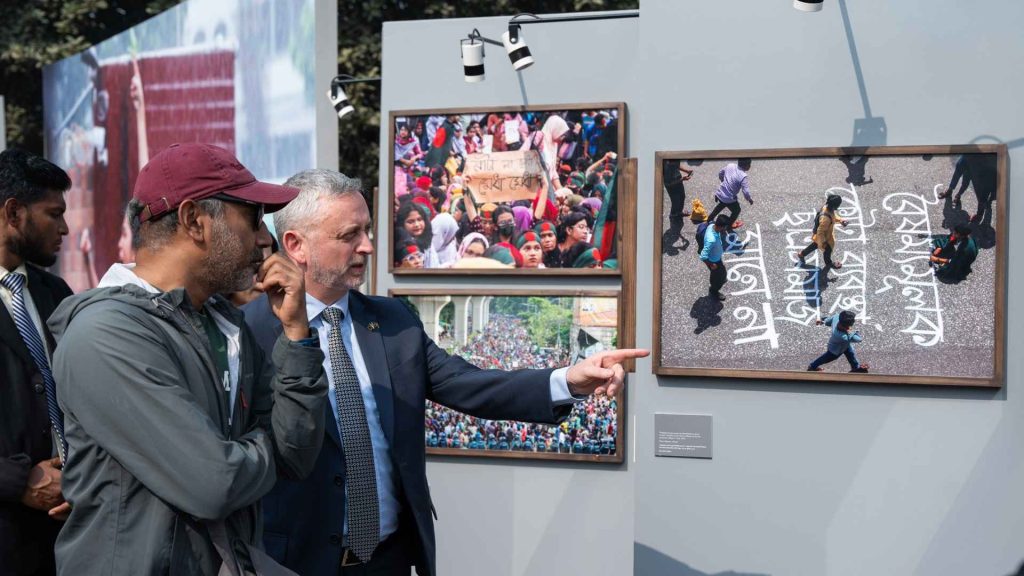
The solo presentations offer intimate looks into specific struggles. “Women in the July Uprising: Essential Then—Why Erased Now?” is perhaps the most politically charged, questioning the erasure of women’s contributions to the recent revolution.
Other highlights include “The Romantic Documentarian“ by Amanul Huq and Alessandra Sanguinetti’s evocative “The Adventures of Guille and Belinda and The Enigmatic Meaning of Their Dreams.” Outdoors, Bani Abidi’s “The Man Who Talked Until He Disappeared” confronts viewers with the haunting reality of enforced disappearances.
Chobi Mela 2026 extends far beyond passive viewing. It is a rigorous educational platform designed to foster critical thinking.
In a moment shaped by uncertainty and ecological urgency, Chobi Mela 2026 creates room for thought. It resists quick conclusions and instead invites sustained attention. Photography here is not decorative—it is a method of questioning power, memory, and survival.
The festival closes on Saturday, 31 January 2026. For schedules and updates, visit https://chobimela.org/.

From culture to business to global headlines — dive deeper into the stories shaping our community. Discover more at at TINDS.com
ADVERTISEMENT