Spotlight



SPOTLIGHT
The Hilarious Rise of Shafi Hossain: A Bangladeshi Stand-Up Comedian in New York
04/01/2023

SPOTLIGHT
Ayeman Ibne Amin: Transforming Bangladesh’s Food Scene With Remarkable Eateries
11/25/2023


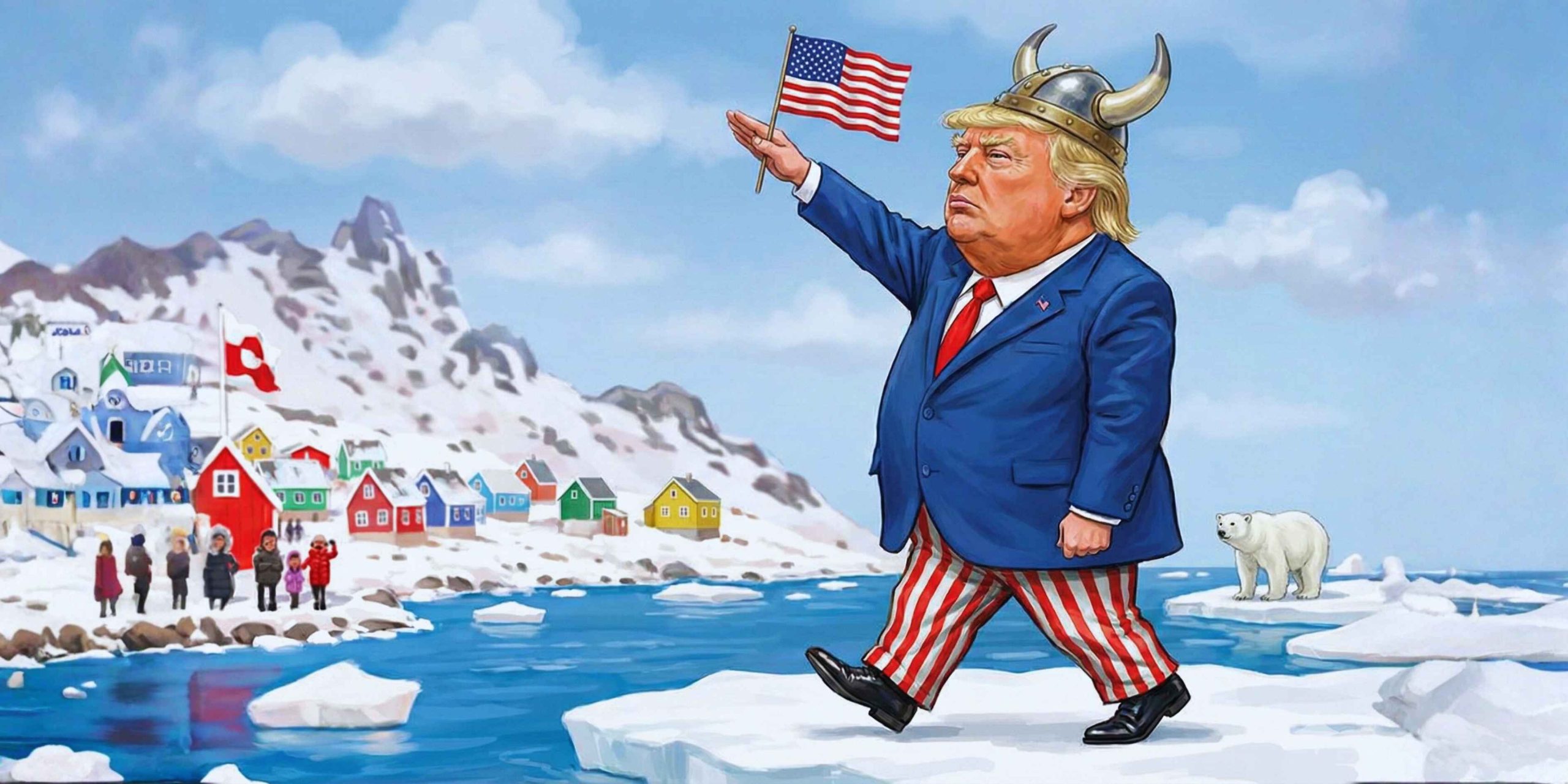
The Greenland Gambit has emerged as a central issue in global geopolitics, with President Donald Trump reigniting discussions over Greenland’s strategic importance. Amid rising tensions with NATO and the EU, Trump’s push for negotiations has left Denmark, Greenland, and Europe divided over the future of this crucial Arctic territory.
The gambit centers around not just military security, but also access to valuable resources and crucial defense infrastructure in the region.
| Detail | Information |
| Status | Self-governing territory within the Kingdom of Denmark |
| Population | ~56,000; majority Inuit |
| Strategic Asset (US) | Pituffik Space Base (missile warning / space surveillance) |
| Flashpoint | Trump’s “framework” claim after Davos talks (Jan 2026) |
ADVERTISEMENT
The US already operates Pituffik Space Base (formerly Thule Air Base), which supports missile warning and space surveillance tied to NORAD. In a crisis, Greenland’s position matters for early warning and monitoring military movement in the Arctic and North Atlantic.
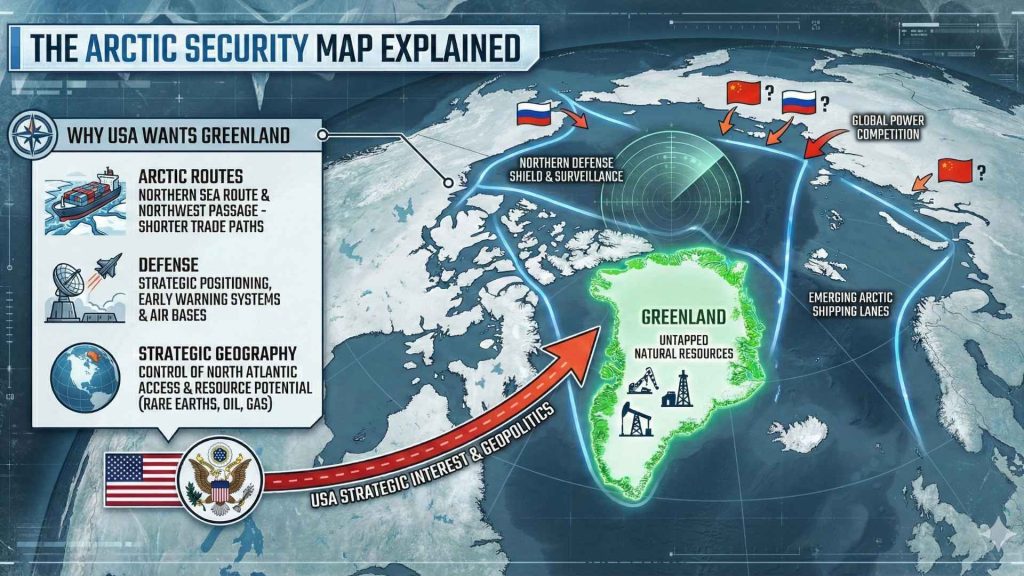
Greenland has attracted rising interest for critical minerals and other resources that could become more accessible as Arctic conditions change. Trump has publicly emphasized security, but resources remain part of the wider strategic interest around supply chains and industrial power.
Trump’s Greenland strategy may go beyond securing territory. It could also involve a formal request for exclusive U.S. military rights on the island. Reports indicate that the U.S. administration is exploring ways to enhance its military footprint in Greenland, specifically seeking expanded rights to U.S. military bases. This move could involve formal negotiations with Denmark to establish more permanent installations in Greenland, building on the existing Pituffik Space Base.
Reporting suggests the U.S. focus may be shifting toward expanded access and a larger defense footprint, rather than any immediate change in sovereignty though details remain unclear.
Russia has been closely monitoring the diplomatic and military shifts in the Arctic, particularly as Trump’s Greenland ambitions unfold. Russian officials have watched with undisguised satisfaction, viewing the transatlantic divide as a strategic gift.
Russian officials and media have portrayed the dispute as a win for Moscow’s long-standing goal of weakening NATO unity. Greenland and European leaders, meanwhile, cite Russia’s broader Arctic military activity as a reason regional surveillance matters. The Kremlin has made it clear that it sees the region as essential to its national defense. Russia’s interest in Greenland is likely to continue, especially as the U.S. focuses on expanding its Arctic dominance.
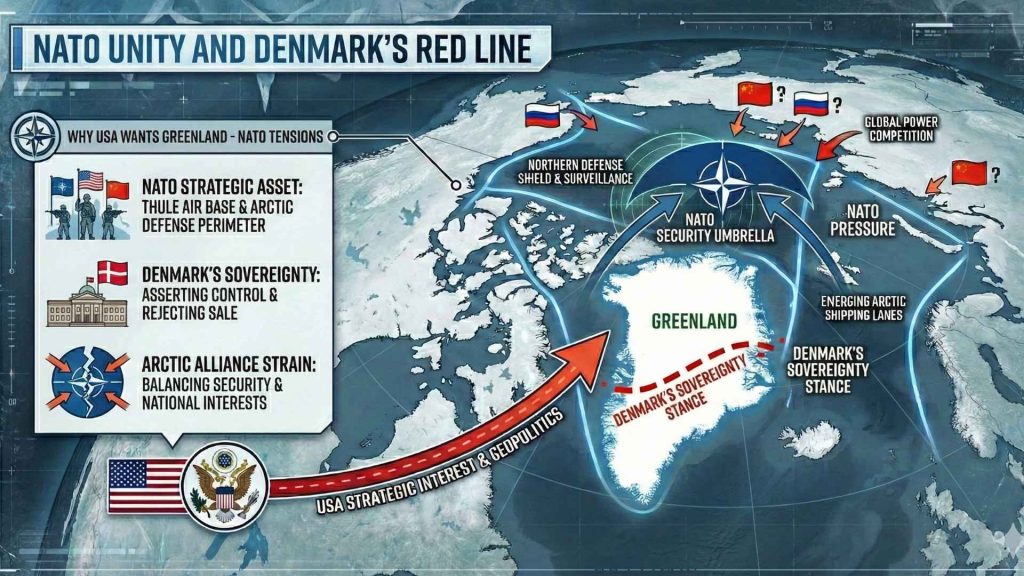
European leaders have critisized Trump’s Greenland strategy, calling his pressure campaign unacceptable and disruptive to NATO unity. French President Emmanuel Macron labeled the pressure as a “fundamentally unacceptable” tactic, warning that such aggressive moves could undermine transatlantic relations. Canadian Prime Minister Mark Carney echoed these concerns, stating that Greenland’s sovereignty is non-negotiable, and no external powers should dictate its future.
Despite global strategic debates, Greenland’s citizens have reacted strongly to foreign pressure, rejecting any notion of being traded or taken over. Many residents condemned President Trump’s comments that framed Greenland as a geopolitical asset, not a home with culture and history. Public protests erupted in Nuuk and Copenhagen, where the slogans ranged from the blunt ‘Yankee, go home’ to the biting satire of red caps emblazoned with ‘Make America Go Away’—a sharp visual rejection of the President’s brand and his framework.
ADVERTISEMENT
As tensions rise over Trump’s Greenland ambitions, Denmark and Greenland’s leaders are making diplomatic moves to secure European backing. Recently, Denmark’s Prime Minister and Greenland’s leadership traveled to Berlin and Paris to strengthen ties with key EU allies, seeking support for their stance on Greenland’s sovereignty. This push comes in response to Trump’s growing pressure, which European leaders warn could jeopardize transatlantic unity. By reinforcing the message that Greenland is not for sale, these diplomatic efforts are central to preventing a major rift within NATO.

Trump’s Greenland push highlights how the Arctic is no longer remote or symbolic, but strategically central. As global competition intensifies, Greenland’s position has drawn unprecedented attention, straining alliances and unsettling Europe. Yet for Greenlanders, the message has been consistent: decisions about the island’s future must start with the people who live there, not with power politics far away.
From culture to business to global headlines — dive deeper into the stories shaping our community. Discover more at at TINDS.com ✨
ADVERTISEMENT